Why does drama in schools, especially Primary Schools, matter? In economically straightened times, drama is often thought of as a luxury, an added extra or ‘a bit of fun’. But when you start to list the immediate benefits (never mind the long term ones), you quickly find that luxury turns into necessity.
For a short cut, check out Finding the Will’s Education page, where you will find a whole list of benefits on offer immediately in our Interactive Workshops and Project Weeks. But I want to focus on 5 specific advantages that may not be instantly obvious.
The Value of Drama
According to National Drama, the UK’s leading subject association, “Drama’s contribution to children and young peoples’ education is academic, artistic, communal, and social.” So let’s explore this with examples.
Reason #1 – Academic
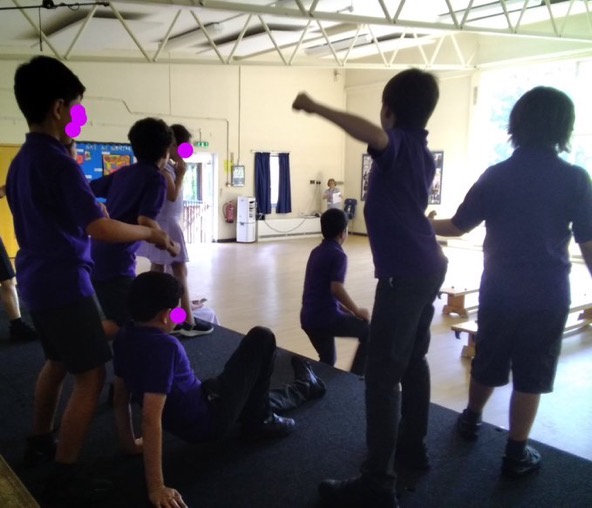
Critical thinking, questioning and interpreting are the highlights that Finding the Will actively encourages.
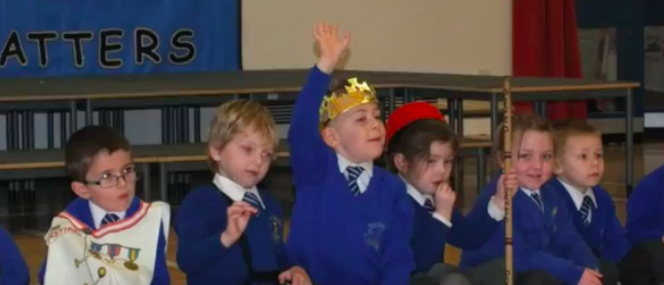
KS1 children at Pinchbeck East Primary eager to question and interpret.
Reason #2 – Artistic
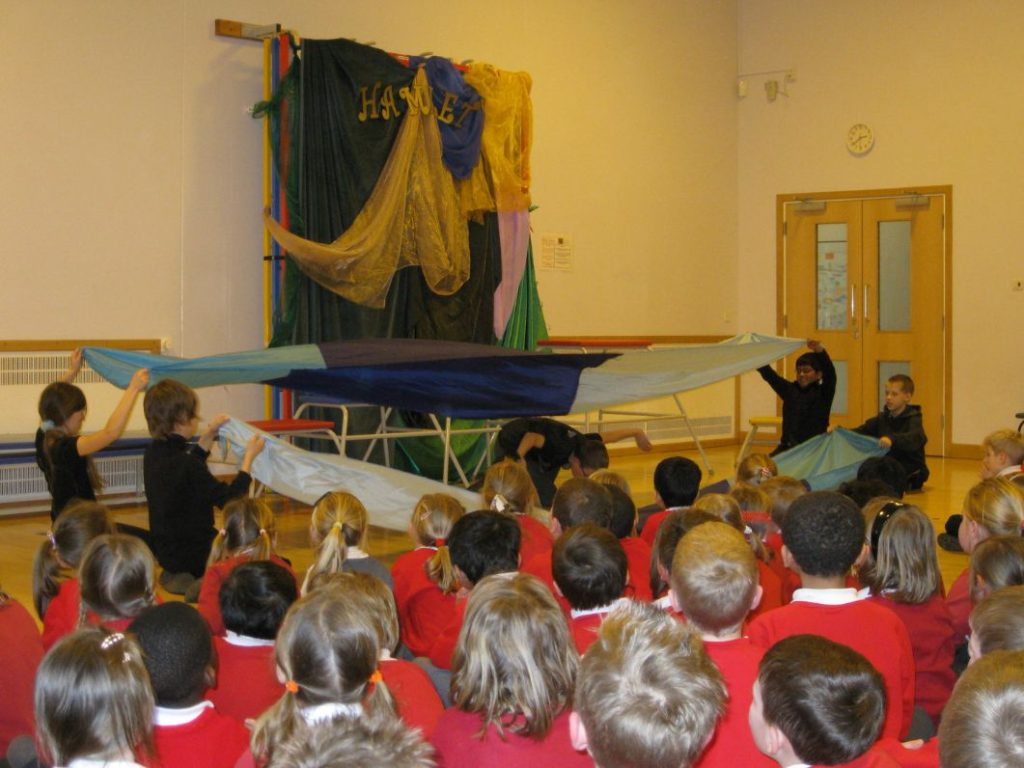
Using imagination, exploring and communicating a vision or idea.
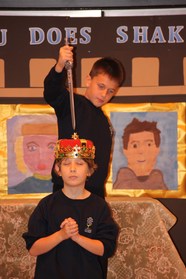
King Claudius unaware of Hamlet behind him.
Montagu AcademyTerra Nova School yelling ‘You bead! You acorn!’
Reason #3 – Communal
Celebrating the values and ethos of a school, engaging children, teachers and parents/guardians.
Macbeth Project Week
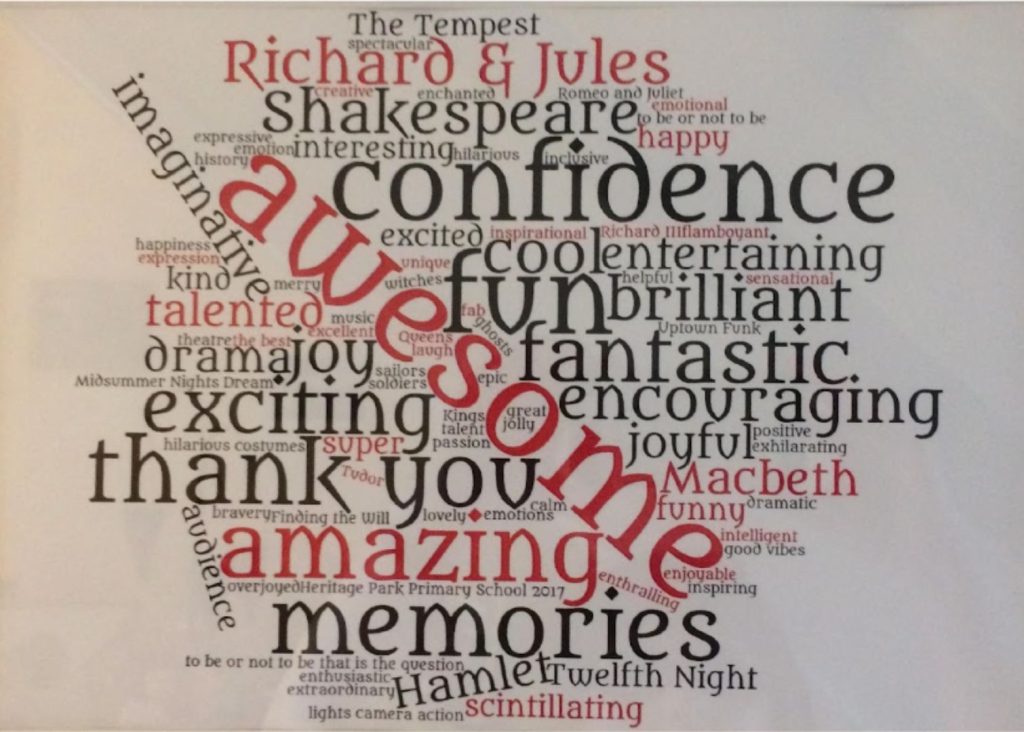
“First of all – thank you! The sound of laughter, cheering and clapping in our school hall has been but a distant memory for so long. Last week you managed to transport us to pre-COVID times and give us a glimpse of the hope a post-COVID apocalypse may contain.
When you consider how little those performers were the last time they trod the boards, we are both thrilled and proud of what they achieved in just 5 days. And while the audience may have been missing, the atmosphere and togetherness of Friday was just what we all needed. I am so glad that, albeit a year late, we managed to live up to the old saying, ‘the show must go on”.
Deputy Head, Anson Primary, Cricklewood2021
Y3/4 actors at Anson Primary School performing for the first time after lockdown.
Reason #4 – Social
A collaborative process developing self-esteem and wellbeing
A Midsummer Night’s Dream Project Week
All children felt that their level of confidence grew as they challenged themselves first to learn their lines and then to start to interpret them using expression, volume and then add movement. They were able to exceed their own ideas of what they believed they could do. As teachers, it was a valuable experience to work with the children in a different context and focus on the skills that enable performance and expression. The fact that it is accessible to all children and everyone achieves personal growth across the week is important.
Y4 Teacher, Montpelier Primary 2023
Y4 at Montpelier Primary, Ealing rehearsing The Tempest.
Reason #5 – The Learning Potential
Did you know that Drama is a statutory requirement in Wales, Scotland, Australia, New Zealand, Finland, South Africa, Iceland and Canada? Why it is not in England remains a mystery. The learning potential is, as you see, internationally recognised for its contribution to the development of a healthy, humane, creative and democratic society. And goodness knows, we all need that right now!
All of which brings me to this – let me introduce you to…….
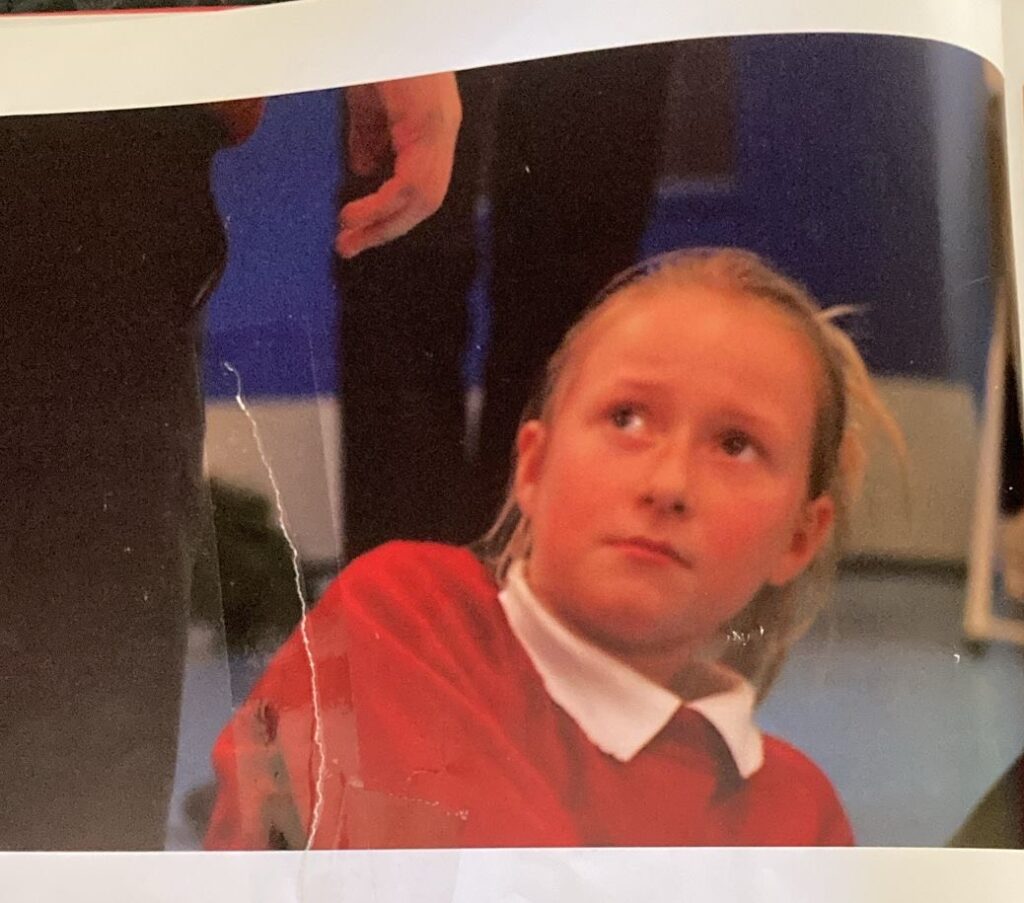
Rosie Boother
Rosie Boother in a Macbeth Interactive Workshop at Nursteed Primary, Devizes in 2011.Rosie Boother – actor 2025
In June, I had the most amazing email from Rosie. It was a thank you note really for a Macbeth Interactive Drama Workshop that Finding the Will led back in 2011. I’ll let Rosie tell you the story…..
“It was, and remains to this day, the most fun I have ever had at school. Most importantly, was my first introduction to Shakespeare, and I have been completely hooked ever since. So much so, that in two weeks I will be a drama school graduate having just finished my time at Rose Bruford.
A friend who now works at Nursteed School was perusing the books in the library and stumbled across these photos the school printed of your time with us. She sent them over to me, and I felt an overwhelming sense of gratitude. That workshop I did aged 10 changed the trajectory of my entire life. I now have a degree in a subject I am on fire with passion for, and in 2 weeks I am moving to Italy for my first professional job, touring Shakespeare around the Northern Region. I will be playing Juliette whilst in Verona!
I cannot begin to thank you enough for the immensely important work that you do. It changes lives, moulds hearts and empowers children in ways that transcend words. It was your kindness, joy and wisdom that has stayed with me all these years and truly changed my life.”
I was sat in the staffroom at Westende Junior School between a Romeo & Julietand Tempest workshop when I received this. To say I was blown away would be an understatement! I’ve been in touch with Rosie since, and I’m glad to say that William Shakespeare is still paying her rent!
“Even more of a testament to the seeds that you planted 10+ years ago, I am on my way to work today. The job; Macbeth (which is what we did the workshop on) where I am doing some Shakespeare meets motion capture work for the digital ccgame Fornite. I am playing one of the witches!”
Rosie is living proof that Drama in Schools can change lives.
Conclusion
As wonderful and heartwarming as Rosie’s story is, drama in schools should not be just about finding the next generation of actors. If we fire up a passion in someone to go on and have a career in the arts, that’s great but, as we’ve discovered, there is far more to drama in schools than that.
Remember the children who have English as an additional language, those who are too shy to speak up in class, those who dominate and need to learn to listen, those who are excluded and those who do the excluding. These are the children we want to reach and, just like sport, drama is often a way in. So the next time you hear someone talking about cutting arts funding in schools, remember Rosie and all of Rosie’s classmates who didn’t go on to become actors. Remember the 20000+ children we’ve worked with since Rosie because they might just turn out to be your doctor, hairdresser, teacher, nurse, cleaner, dogwalker, or in any number of jobs. And they all have a voice, perhaps because of drama in school.
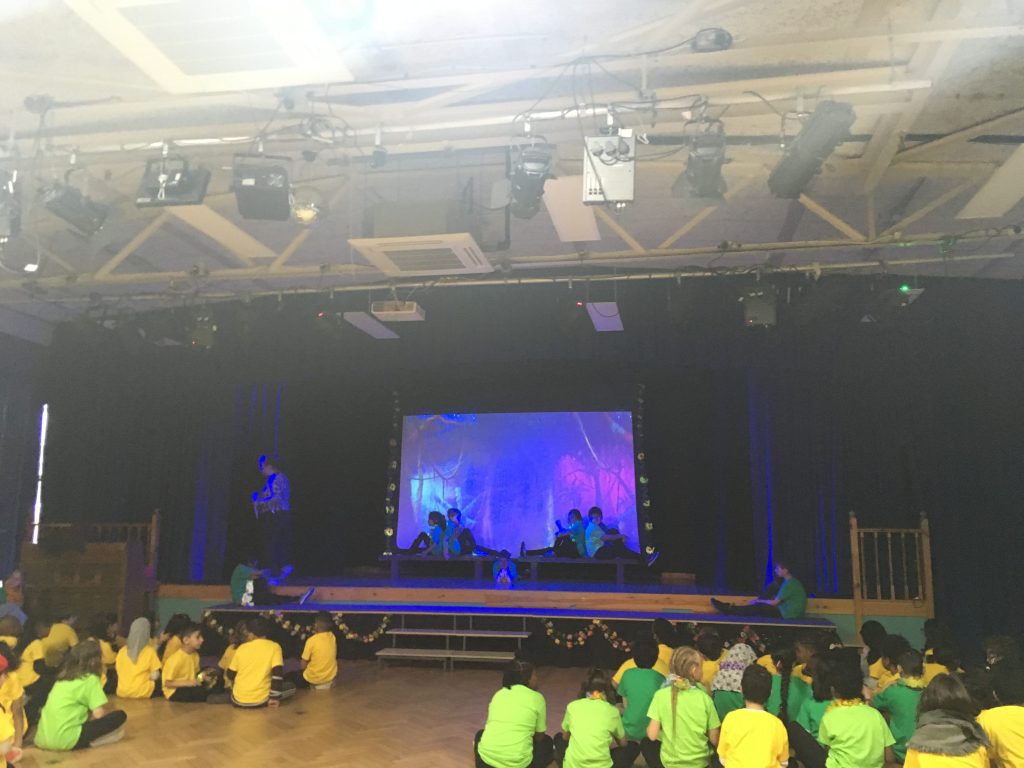
The Tempest in full flow at Heritage Park Primary, Peterborough